


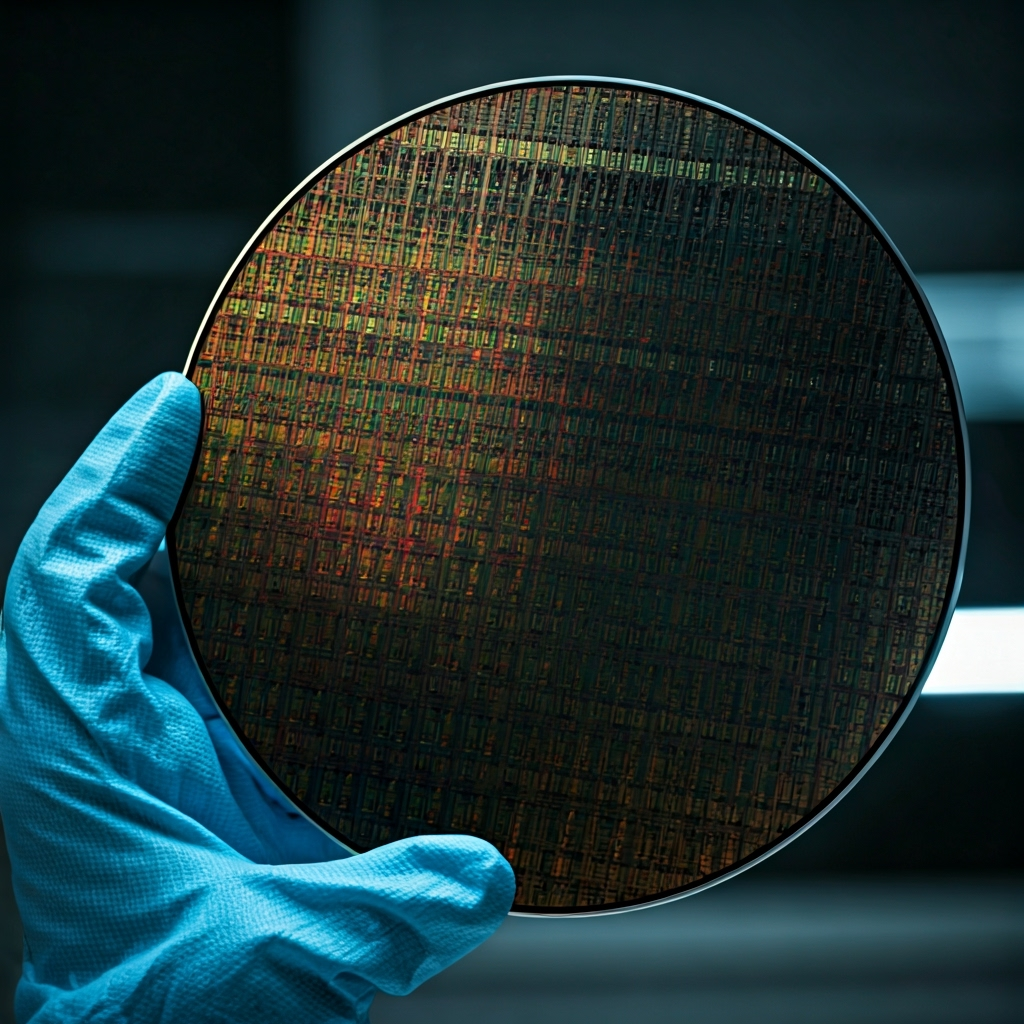
The U.S. Department of the Treasury has released a proposed rule aimed at restricting American investment in China’s high-tech sectors, representing a significant new front in the ongoing technological competition between the two global powers. The measure targets specific technologies critical to national security, including artificial intelligence, advanced semiconductors, and quantum computing.
Announced as a Notice of Proposed Rulemaking (NPRM), the initiative seeks to prevent U.S. capital, intellectual property, and expertise from contributing to the development of technologies that could be used to challenge America’s security interests. This move shifts the focus of U.S. policy from purely export controls, which block the sale of specific hardware, to regulating outbound capital flows.
Under the proposed regulations, U.S. investors, including venture capital and private equity firms, would be prohibited from engaging in certain transactions with Chinese entities involved in the targeted sectors. Other investments would require mandatory notification to the Treasury Department, allowing the government to monitor and assess the flow of resources.
Treasury officials emphasized that the rule is intended to be narrowly scoped to avoid broader economic decoupling while addressing specific high-risk scenarios. The AI portion of the rule, for instance, focuses on systems designed for military, intelligence, or mass-surveillance end-uses. The public will have a period to comment on the proposed regulations before they are finalized, giving industry stakeholders an opportunity to provide feedback on their potential impact. This action underscores the Biden administration’s strategy of using targeted economic tools to safeguard national security without completely severing ties with the world’s second-largest economy.
 English
  Deutsch