

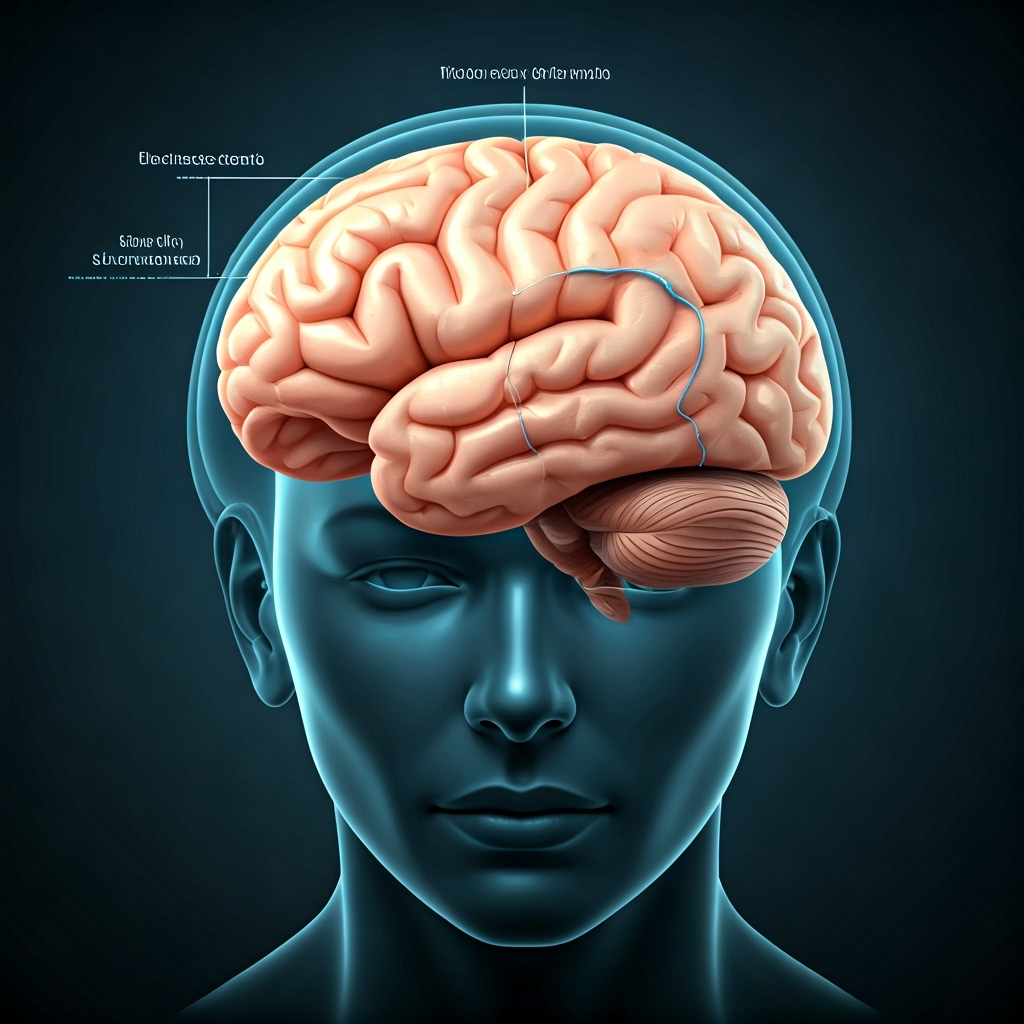
Elon Musk’s neurotechnology company, Neuralink, has received regulatory approval to implant its brain-computer interface (BCI) into a second human patient. The clearance from the U.S. Food and Drug Administration (FDA) comes after the company implemented a significant modification to its device to address a mechanical issue discovered during its first landmark trial.
The first recipient, 29-year-old Noland Arbaugh, who is paralyzed from the shoulders down, successfully demonstrated the ability to control a computer cursor with his thoughts. However, weeks after the January surgery, a number of the implant’s ultra-fine threads began to retract from his brain tissue. This retraction led to a reduction in the number of active electrodes and a decrease in the device’s data-capturing performance. While Neuralink’s engineers were able to restore performance by refining their algorithms to be more sensitive to the remaining electrode signals, the hardware issue needed a direct solution for future patients.
To prevent a recurrence of this problem, Neuralink will now embed the implant’s threads deeper into the brain’s motor cortex. The company plans to insert the threads 8 millimeters deep, a substantial increase from the 3-5 millimeters used in the first procedure. This strategic adjustment is designed to provide greater stability and ensure the threads remain securely in place.
This development underscores the iterative and challenging nature of developing cutting-edge medical technology. Neuralink’s ability to identify the problem, devise a solution, and gain swift regulatory approval for the modification is a critical step forward in its mission to help people with paralysis. The company plans to implant the device in the second patient later this year and aims to complete a total of 10 human implants by the end of 2024, pending further FDA approvals. The success of these next procedures will be crucial in determining the long-term viability and safety of the technology.
 English
  Deutsch