

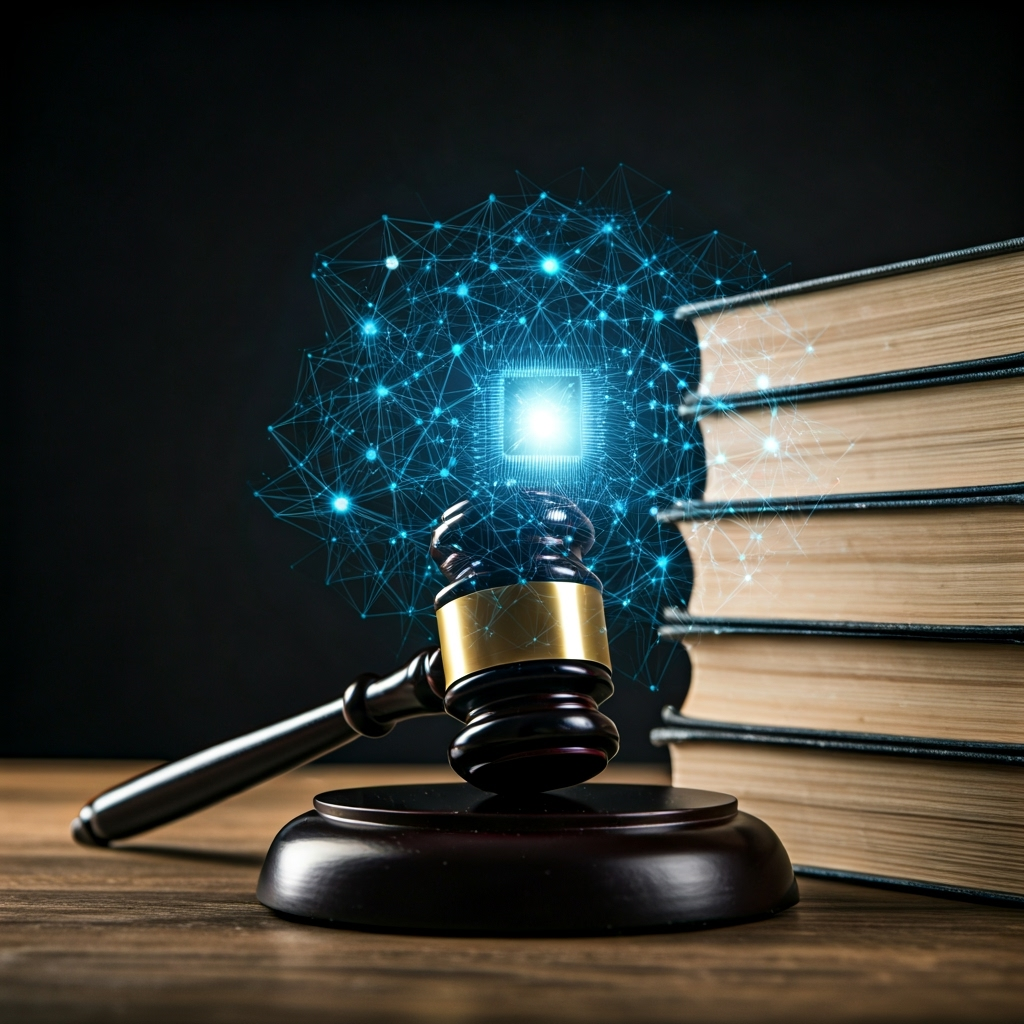
A federal judge has dismissed several key claims in a high-profile copyright lawsuit brought against OpenAI by author and comedian Sarah Silverman, along with other authors. The ruling narrows the scope of the legal challenge, which alleges that the company’s AI model, ChatGPT, was illegally trained on the authors’ copyrighted books without permission.
In a decision issued by U.S. District Judge Araceli Martínez-Olguín in the Northern District of California, the court threw out claims of vicarious copyright infringement, negligence, and violation of the Digital Millennium Copyright Act (DMCA). The judge reasoned that the plaintiffs failed to show a substantial similarity between ChatGPT’s outputs and their books.
The most significant part of the ruling concerns the DMCA claim. The authors had argued that by training its model on their work, OpenAI had unlawfully removed copyright management information, such as titles and author names. However, Judge Martínez-Olguín stated that the plaintiffs failed to prove that this information was stripped from their books during the training process or that the AI’s output included copies of their work.
While this represents a significant victory for OpenAI, the case is not over. The judge allowed the central claim of direct copyright infringement to proceed, leaving the core question of whether training AI on copyrighted material constitutes “fair use” to be decided. The authors have been given an opportunity to amend their complaint to address the deficiencies in the dismissed claims.
This ruling is a critical development in the ongoing legal battles between content creators and AI companies. It highlights the difficulty creators face in proving how their data is specifically used within opaque AI models and sets a precedent that could influence numerous similar lawsuits against companies like Meta, Google, and Stability AI. The focus now shifts to the remaining direct infringement claim, which will be closely watched as a bellwether for the future of AI development and intellectual property law.
 English
  Deutsch