

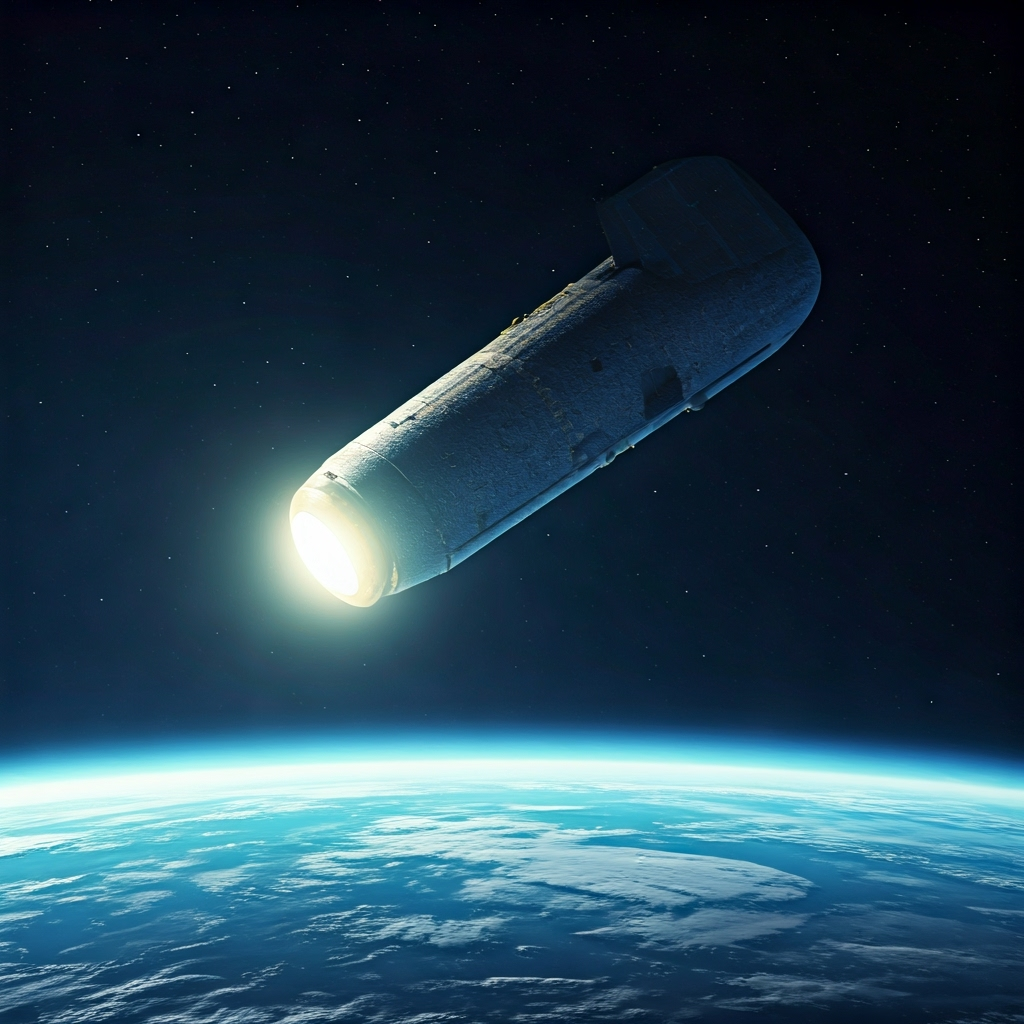
Amazon announced it has successfully deorbited its first two prototype satellites, KuiperSat-1 and KuiperSat-2, marking a critical milestone for its Project Kuiper internet constellation. The test mission, which began with their launch in October 2023, concluded with the satellites using their onboard propulsion systems to execute a controlled descent and burn up harmlessly in Earth’s atmosphere.
This achievement is a crucial proof-of-concept for Amazon’s commitment to space sustainability. As Low Earth Orbit (LEO) becomes increasingly crowded with satellite constellations from companies like SpaceX (Starlink) and OneWeb, the ability to safely remove defunct satellites is paramount to mitigating the growing risk of space debris. A collision in orbit could create thousands of pieces of junk, threatening active satellites and future space missions.
The successful deorbit maneuver demonstrates the effectiveness of Kuiper’s active propulsion system for end-of-life disposal. This capability is a key requirement mandated by regulators like the U.S. Federal Communications Commission (FCC), which has implemented stricter rules for satellite disposal to ensure orbital environments remain safe. By proving its technology works as designed, Amazon clears a significant hurdle ahead of the full-scale deployment of its network.
Project Kuiper aims to launch a constellation of over 3,200 satellites to provide high-speed, low-latency broadband internet to unserved and underserved communities globally. With this successful prototype mission, Amazon is now proceeding with the mass production of its commercial satellites. The company plans to begin its first customer pilots in the second half of 2024, signaling its imminent entry into the competitive satellite internet market.


 English
  Deutsch