

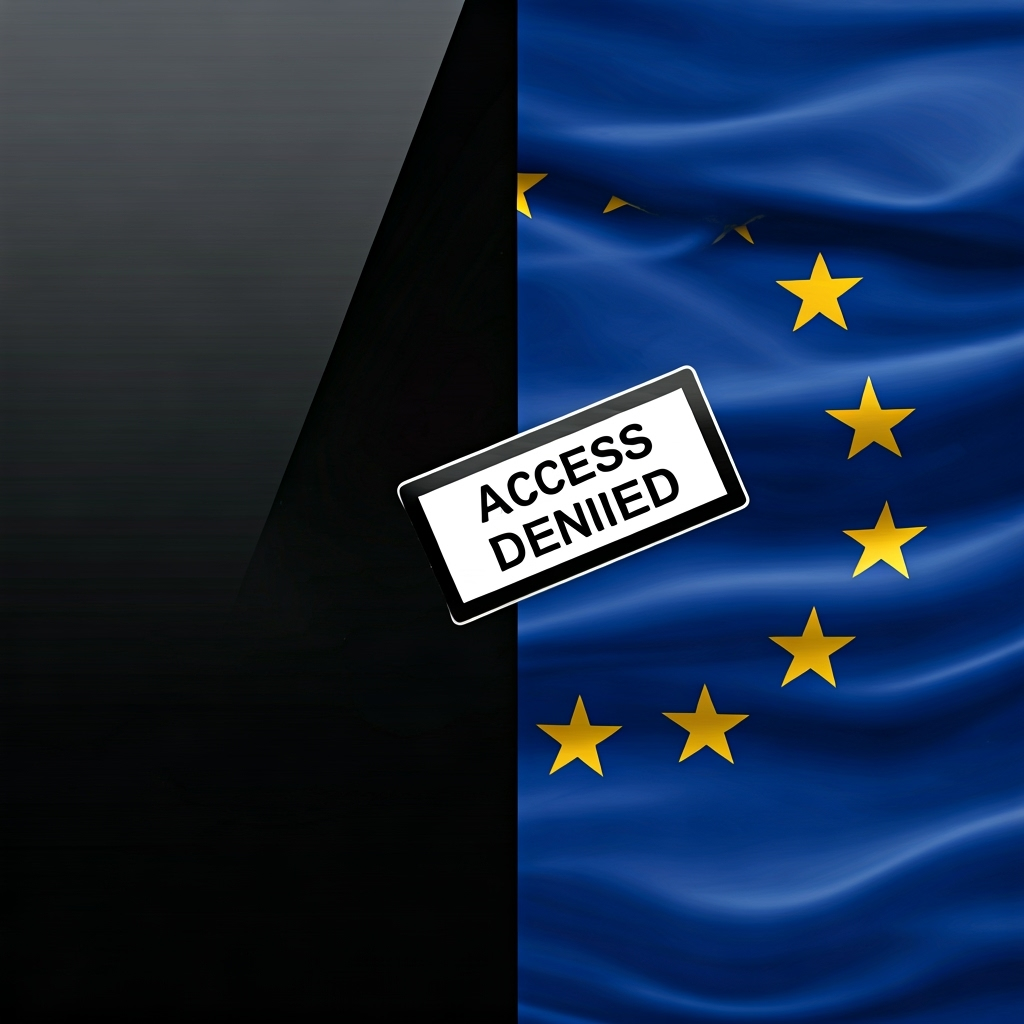
Apple has announced it will not release its marquee artificial intelligence platform, Apple Intelligence, to users in the European Union this year, in a stunning move that marks a major escalation in the battle between Big Tech and European regulators. The delay also affects two other highly anticipated features announced at its recent Worldwide Developers Conference: iPhone Mirroring on macOS and SharePlay Screen Sharing.
In a statement, the company attributed the decision to regulatory uncertainties stemming from the EU’s Digital Markets Act (DMA). Apple claims that the DMA’s interoperability requirements could force it to compromise the security and privacy of its users. “We are concerned that the interoperability requirements of the DMA could force us to compromise the integrity of our products in ways that risk user privacy and data security,” an Apple spokesperson said.
The Digital Markets Act, which came into effect last year, is a landmark piece of legislation designed to curb the power of major technology firms, designated as “gatekeepers.” The law mandates that these companies open up their services and platforms to other companies to foster competition. Apple is arguing that these requirements, if applied to its deeply integrated new AI features, could create vulnerabilities that bad actors could exploit.
The European Commission has pushed back against Apple’s claims. EU industry chief Thierry Breton stated that the DMA “spurs innovation, not hinders it,” suggesting Apple’s move is a tactic to avoid fair competition rather than a genuine security concern.
The decision means that nearly 450 million consumers in the EU will be excluded from the initial rollout of what Apple considers its next major technological leap. This move sets a significant precedent, as it is one of the first instances of a tech giant proactively withholding flagship features from a massive market due to regulation. The standoff highlights the growing friction between Silicon Valley’s product development cycles and the EU’s assertive regulatory stance, leaving customers caught in the middle.

 English
  Deutsch