

Project management software company Asana this week unveiled a major expansion of its artificial intelligence capabilities, launching a new suite of features designed to automate complex workflows and provide intelligent insights for teams. The update, integrated into its “Asana Intelligence” platform, aims to reduce manual work and accelerate project completion, placing the company in a more competitive position against other AI-driven productivity tools.
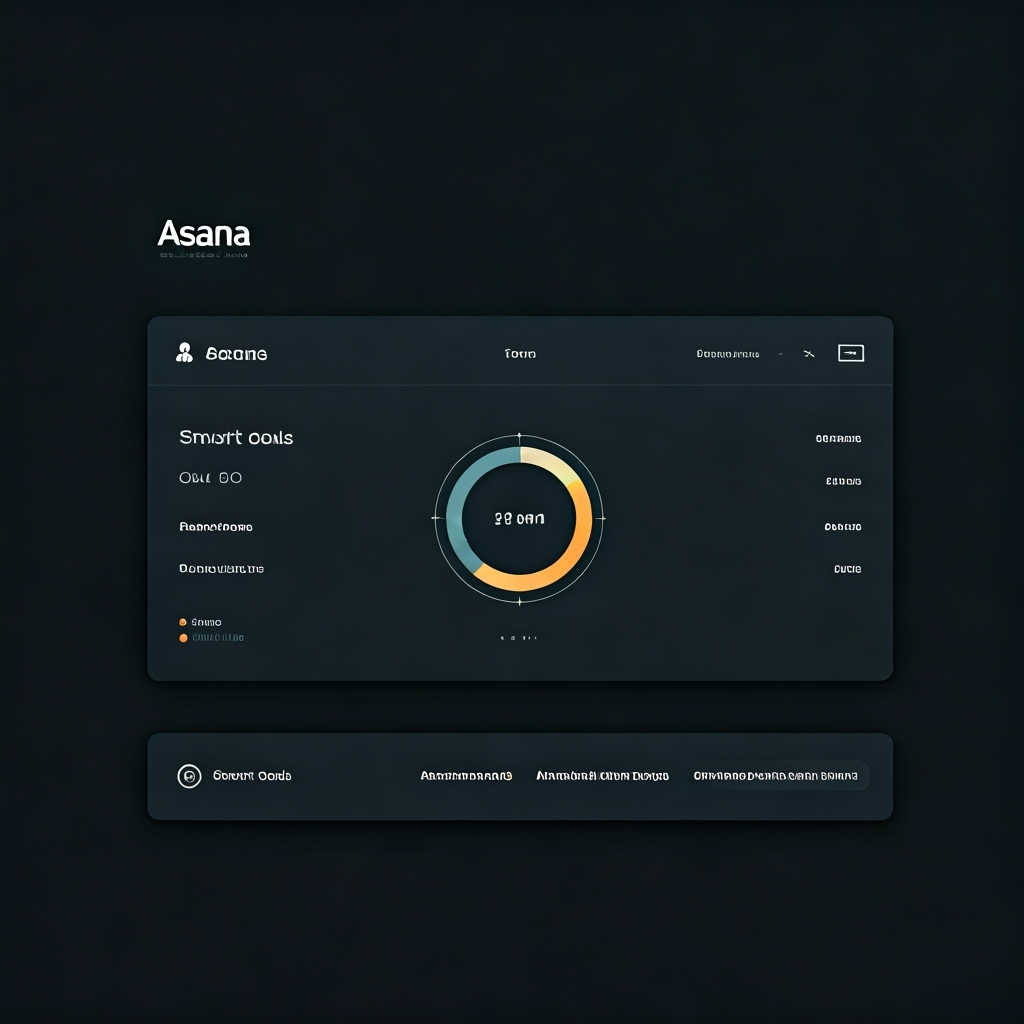
The new features focus on automating routine yet critical tasks. “Smart status” updates, for example, can automatically draft project progress reports by analyzing recent activity, saving managers significant time. Similarly, a “smart goals” feature helps teams set and track objectives by identifying potential risks and suggesting key results. The most significant addition is an enhanced workflow builder that leverages AI to create multi-step automations across different applications, streamlining processes from onboarding new employees to managing marketing campaigns.
In a statement, Asana emphasized that these tools are designed to handle “work about work”—the administrative overhead that often bogs down strategic execution. By letting AI manage task allocation, generate summaries, and proactively identify bottlenecks, the company claims it can free up employees to focus on higher-value, creative responsibilities.
This move is part of a broader industry trend where enterprise software platforms are deeply integrating generative AI to stay relevant and provide tangible efficiency gains to customers. Asana’s announcement puts it in direct competition with similar AI-powered offerings from Microsoft Project, Monday.com, and Atlassian’s Jira, all of which are racing to define the future of AI-assisted work management. The success of these features will likely depend on their reliability and how seamlessly they integrate into existing team habits without adding new layers of complexity.

 English
  Deutsch