

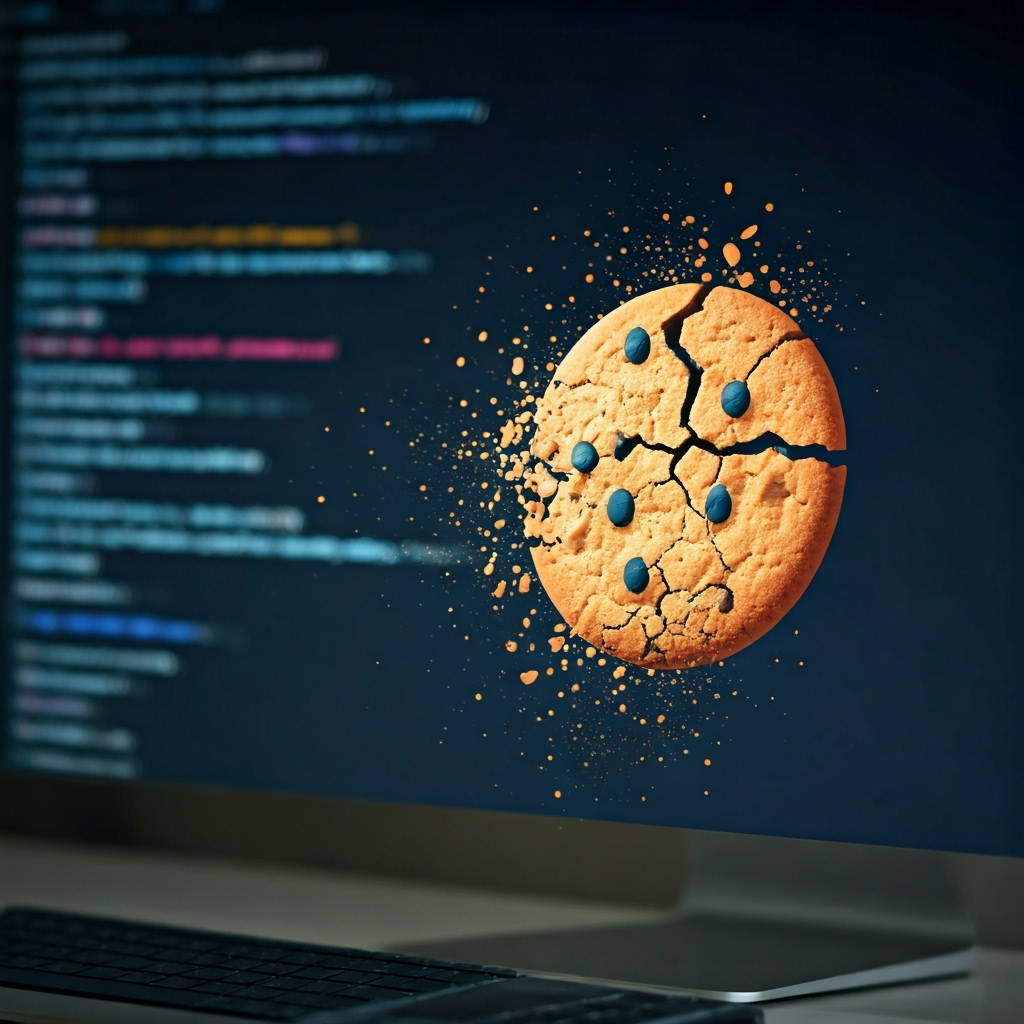
Google announced another significant delay in its plan to phase out third-party tracking cookies in the Chrome browser, pushing the timeline from the end of 2024 to early 2025. The decision comes after the UK’s Competition and Markets Authority (CMA) stated it requires more time to review the results of industry testing on Google’s Privacy Sandbox, the suite of technologies designed to replace cookies.
This marks the third major postponement of the initiative, which aims to enhance user privacy on the web by ending a decades-old method of cross-site tracking used for targeted advertising. Third-party cookies have long been criticized by privacy advocates for enabling invasive tracking of users’ browsing habits across different websites without their explicit consent. While competitors like Apple’s Safari and Mozilla’s Firefox blocked these cookies years ago, Chrome’s dominant market share makes its transition far more complex and consequential for the digital advertising ecosystem.
The CMA has been closely overseeing Google’s plans to ensure the shift does not unfairly benefit Google’s own advertising business at the expense of its rivals. In its latest statement, the regulator indicated that the industry needs more time to prepare for the change and that it would not be able to finalize its review of test results before the end of the year. The CMA cited the need to ensure the Privacy Sandbox tools are effective and don’t harm competition in the digital advertising market.
This latest delay prolongs the uncertainty for advertisers, publishers, and ad-tech companies that have been scrambling to adapt their strategies for a “cookieless” future. While some may welcome the extra time, the repeated setbacks highlight the immense challenge of re-architecting the web’s economic engine while balancing the interests of consumers, corporations, and regulators. For now, the third-party cookie lives on, as the tech world awaits a resolution from regulators on what the future of online privacy will look like.

 English
  Deutsch