


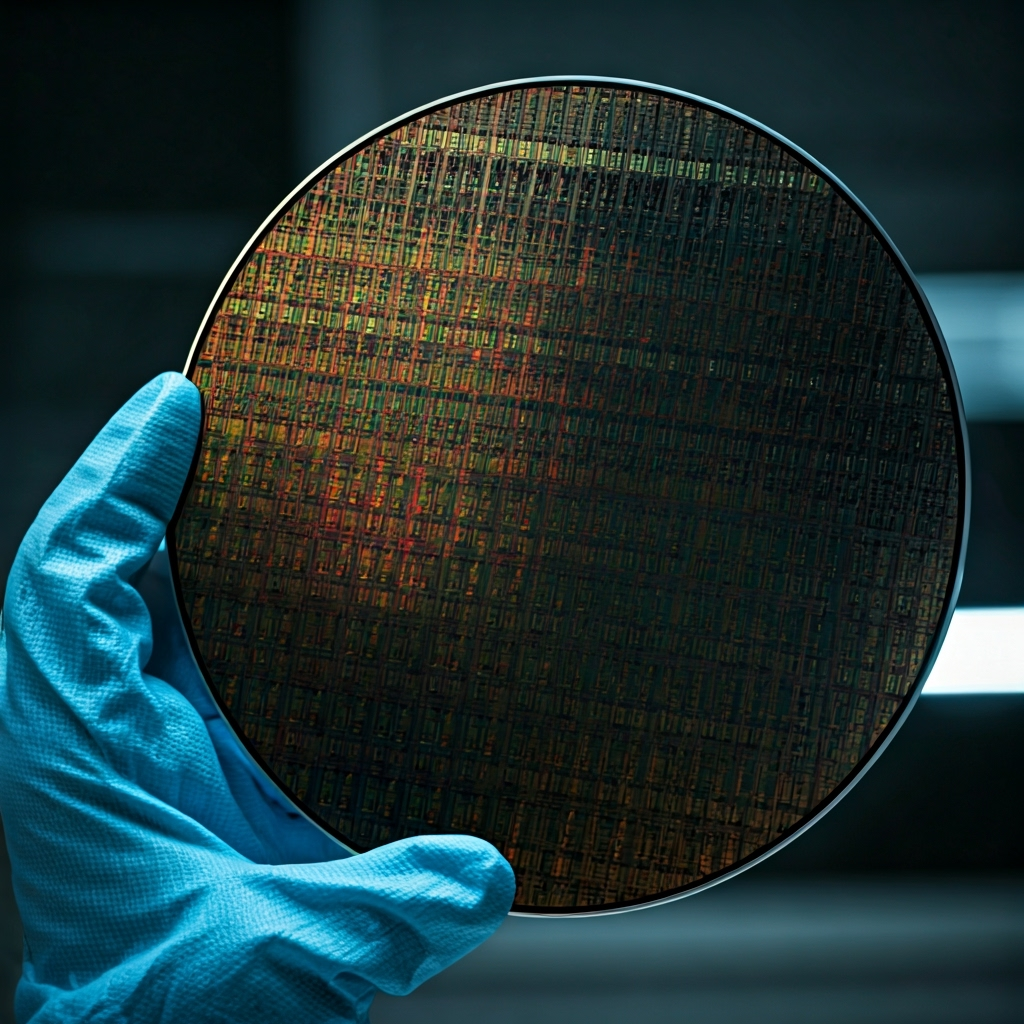
Intel has officially detailed its next-generation Lunar Lake processor architecture, a strategic redesign aimed at powering the emerging category of AI PCs. The announcement positions Intel to compete head-on with Apple’s M-series silicon and Qualcomm’s new Snapdragon X Elite chips, both of which have set new benchmarks for performance and power efficiency in laptops.
The Lunar Lake architecture represents a significant shift for Intel, prioritizing efficiency and on-device artificial intelligence processing. At the heart of the new design are brand-new Performance-cores (P-cores), known as “Lion Cove,” and Efficient-cores (E-cores), dubbed “Skymont.” Intel claims this combination delivers superior performance-per-watt compared to its previous generations.
However, the standout feature is the massively upgraded Neural Processing Unit (NPU). Intel’s NPU 4 is designed to deliver over 48 TOPS (trillion operations per second) of AI performance. This figure is crucial, as it surpasses the 40+ TOPS requirement set by Microsoft for its next wave of Copilot+ PC features, which demand powerful on-device AI processing. This ensures that devices running on Lunar Lake will be fully compatible with advanced AI functionalities built into Windows.
In a move mirroring Apple’s successful design, Intel is also integrating LPDDR5X memory directly onto the processor package. This on-package memory reduces latency and power consumption, contributing to longer battery life and a thinner, lighter chassis design for laptops. Combined with a new Xe2-based integrated GPU that promises a 50% performance uplift over the previous generation, Lunar Lake is poised to be a formidable contender. Laptops featuring the new architecture are expected to launch from major manufacturers in the third quarter of 2024, setting the stage for a fierce three-way battle in the high-performance laptop market.
 English
  Deutsch