

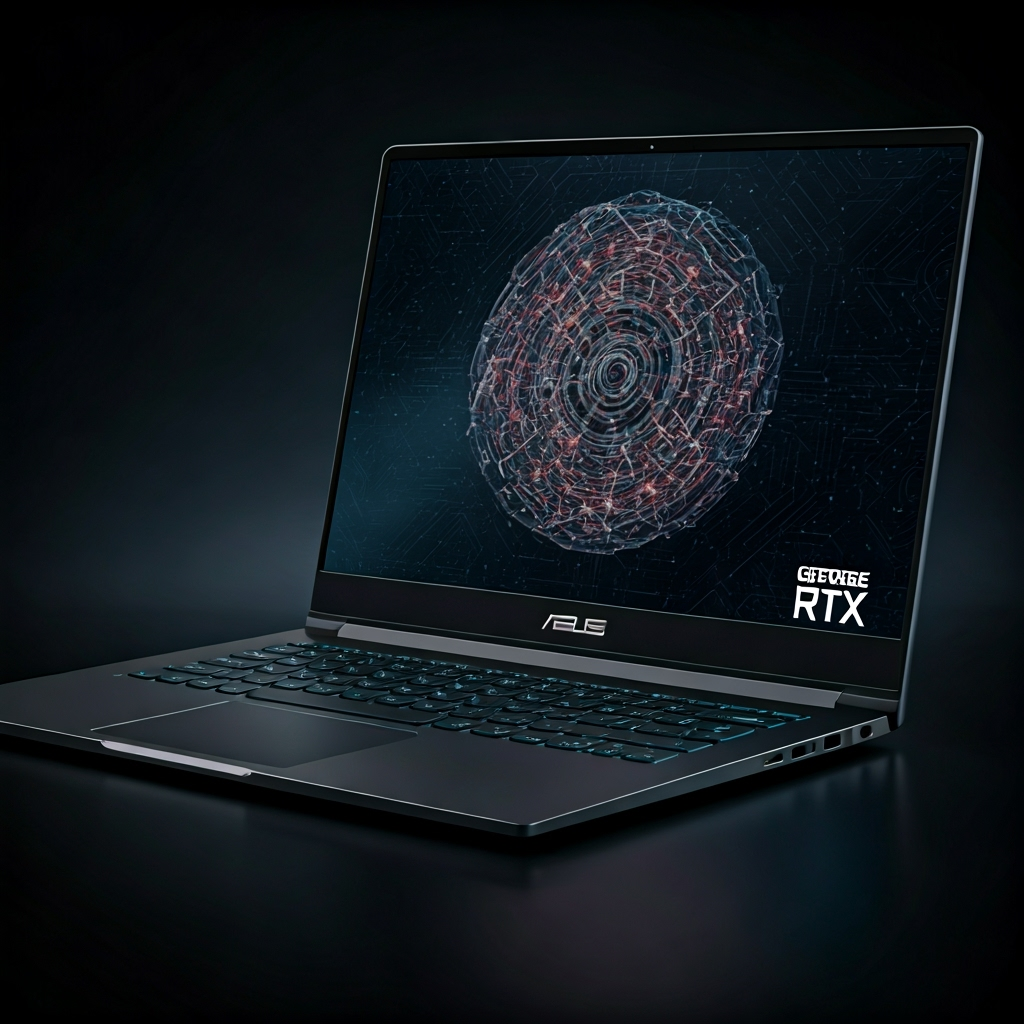
Just days after Microsoft and Qualcomm made waves with the launch of Copilot+ PCs, Nvidia has fired back with its own ecosystem of AI-centric laptops. In partnership with leading manufacturers including Asus, Dell, MSI, and others, the chipmaker has announced the rollout of over 200 new “RTX AI PC” models designed to bring high-performance generative AI capabilities directly to consumer devices.
These laptops are powered by Nvidia’s GeForce RTX 40-series GPUs and are engineered to excel at running AI applications locally, rather than relying on cloud-based processing. Nvidia is emphasizing the raw power of its hardware, claiming its GPUs can deliver between 200 to over 1,300 trillion operations per second (TOPS) of AI performance. This figure is positioned to overshadow the 45 TOPS offered by the Neural Processing Units (NPUs) in Qualcomm’s Snapdragon X Elite chips that power the first wave of Copilot+ PCs.
The central argument from Nvidia is that for truly demanding AI tasks—such as running large language models, content creation with tools like Stable Diffusion, or advanced AI-assisted gaming—a powerful dedicated GPU is essential. The initiative includes a suite of software development kits (SDKs) and tools, like the Nvidia AI Workbench, aimed at helping developers create and optimize AI applications for this new class of hardware.
This announcement officially ignites the AI PC war, creating a clear divide in the market. On one side, Microsoft and Qualcomm are betting on the efficiency and integrated NPU of the ARM-based Snapdragon platform for everyday AI tasks and extended battery life. On the other, Nvidia and its partners are targeting power users, developers, and gamers, arguing that the superior performance of RTX GPUs is the key to unlocking the full potential of local generative AI. As these two ecosystems compete, the evolution of the personal computer will be shaped by the battle between integrated efficiency and dedicated power.
 English
  Deutsch