

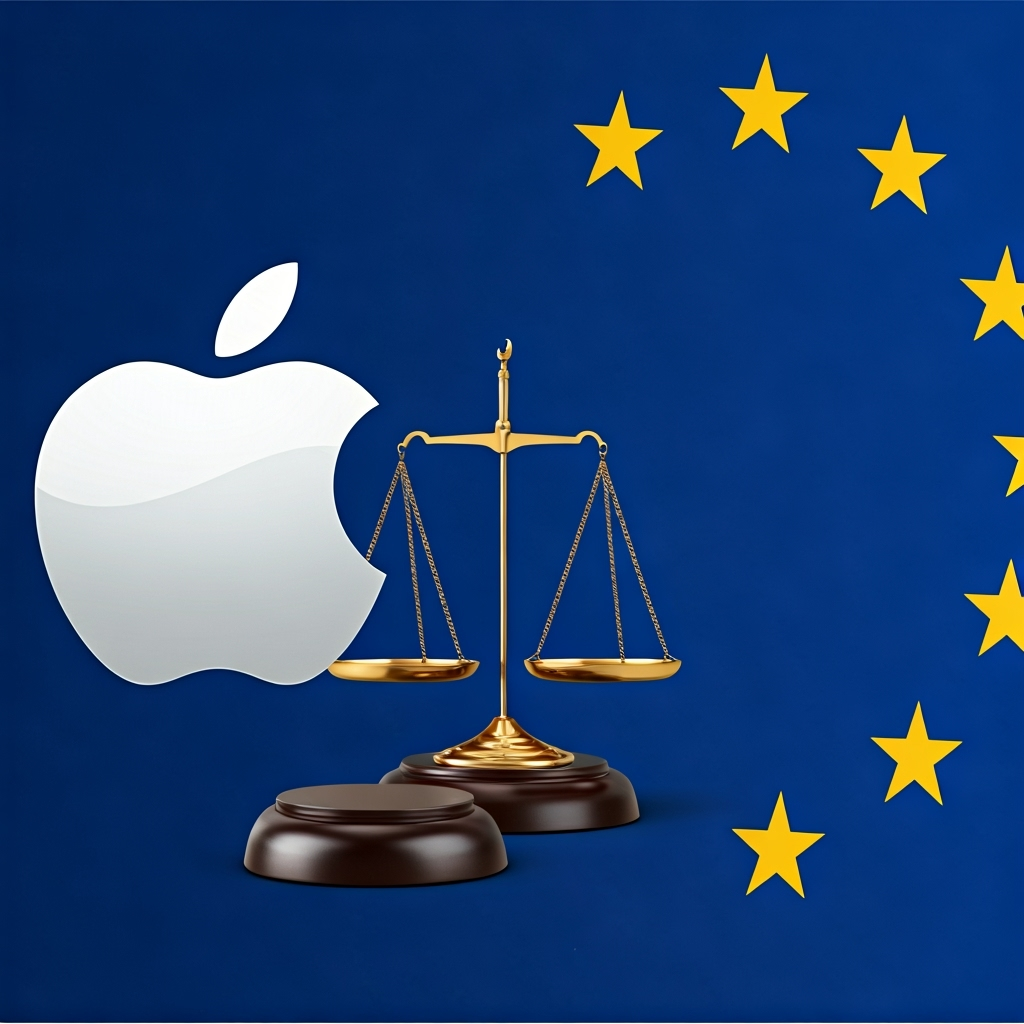
The European Commission has formally charged Apple with violating the Digital Markets Act (DMA), a landmark regulation designed to ensure fair competition in the digital sector. In a preliminary finding announced Monday, the EU’s executive arm alleges that Apple’s App Store rules prevent developers from freely steering customers to alternative purchasing channels, a practice known as “anti-steering.”
This marks the first time the Commission has issued charges against a company under the DMA, which came into effect earlier this year. The investigation focused on Apple’s business terms for app developers, particularly the restrictions that limit their ability to communicate promotional offers and provide links to their own websites for purchases, bypassing Apple’s in-app payment system and its associated 15-30% commission.
According to the Statement of Objections sent to Apple, the Commission believes that these restrictions are anti-competitive and fail to comply with the obligations set for “gatekeepers” under the new law. “Our preliminary position is that Apple is not fully allowing steering,” stated Margrethe Vestager, the EU’s Executive Vice-President for competition policy. “Steering is key to ensure that app developers are less dependent on gatekeepers’ app stores and for consumers to be aware of better offers.”
The Commission has also opened a new, separate investigation into Apple’s “Core Technology Fee” and other terms required for developers who wish to offer alternative app marketplaces on iOS in the EU.
Apple now has the opportunity to respond to the findings. If the charges are upheld, the company could face substantial penalties, including fines of up to 10% of its global annual turnover, with potential for repeat infringements reaching 20%. The outcome of this case will set a critical precedent for how the DMA is enforced and could fundamentally reshape the economics of the global app ecosystem.

 English
  Deutsch