

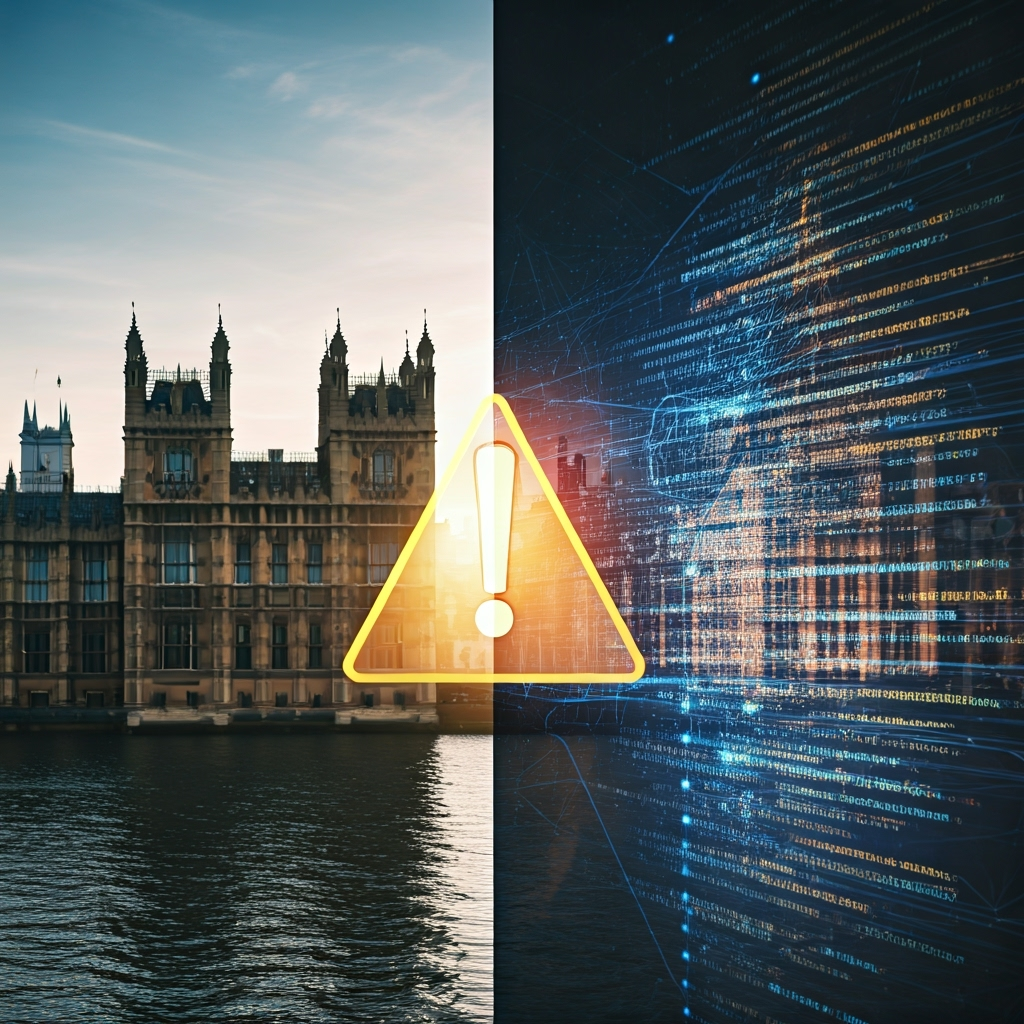
The UK’s Electoral Commission has issued formal guidance to political parties and candidates ahead of the July 4th general election, warning that the use of artificial intelligence to create deceptive campaign content could result in criminal prosecution. The move comes amid growing concerns that widely available AI tools could be used to mislead voters and undermine the integrity of the democratic process.
In its guidance, the Commission explicitly stated that existing laws, particularly the Representation of the People Act 1983, apply to AI-generated material. This means that creating and distributing deepfake videos or audio clips that falsely depict political opponents, or making a false statement about a candidate’s character, remains a criminal offense regardless of the technology used. The regulator stressed that it is a candidate’s responsibility to ensure all campaign materials are truthful and accurate.
This preemptive warning is significant as it marks one of the first times a national electoral body has formally addressed the threat of generative AI in a major election. While tech giants like Meta, Google, and OpenAI have introduced policies to label or restrict the creation of political deepfakes on their platforms, the Commission’s guidance places the legal onus directly on the political actors themselves.
Analysts note that while the warning clarifies the legal landscape, enforcement remains a significant challenge. The speed at which AI-generated content can be created and spread across social media and private messaging apps makes it difficult for authorities to track and attribute. However, the Commission’s firm stance aims to create a strong deterrent, reminding campaigns that a digital trail could lead to severe penalties, including fines and potential imprisonment for individuals found guilty of violating election law. The guidance sets a critical precedent for how established democracies will grapple with AI’s role in shaping public discourse.

 English
  Deutsch